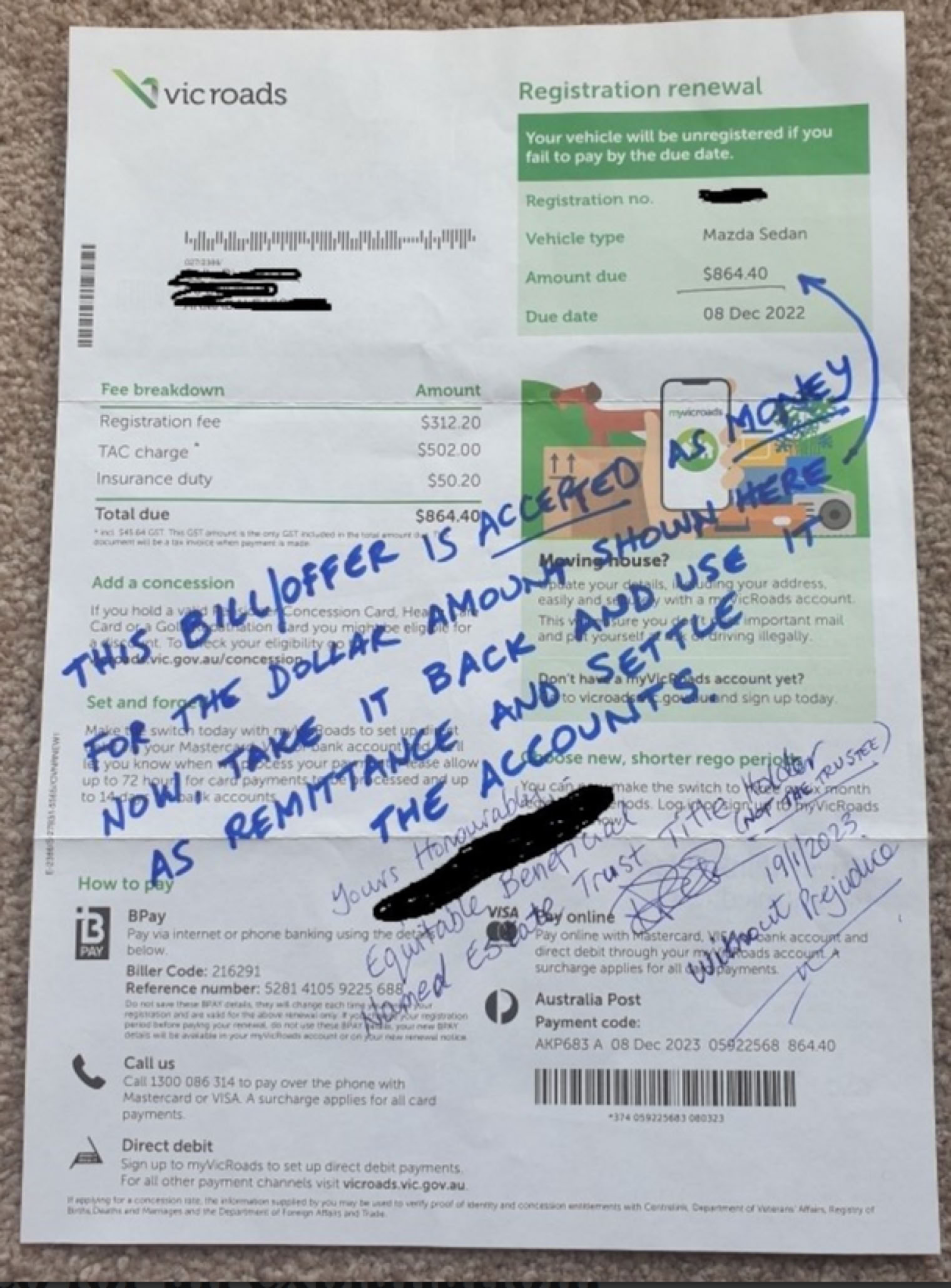
You were never meant to stay trapped in their system.
That cash you're using? It's not money. It's a debt instrument, backed by control.
Every bill you pay feeds the beast that keeps you powerless.
It's time to learn how to operate lawfully, privately, and freely.
Ready to continue the conversation in person?
Understanding Promissory Notes: Benefits, Creation, Payment,
Debt Settlement, and Utility Billing Concerns
A promissory note is a written promise to pay a specific sum of money to a specific person, company, or holder of the note, either on a fixed future date or upon demand. Unlike a simple verbal agreement, a promissory note is a formal legal instrument that sets clear terms, expectations, and remedies if payment is not made.
Many people use promissory notes in personal loans, business financing, real estate transactions, and debt settlement situations. When properly drafted, they can provide clarity, protection, and structure for both the payer and the recipient.
Benefits of Using Promissory Notes
1. Clarity and Legal Certainty
One of the greatest benefits of a promissory note is that it puts all payment terms in writing. This reduces misunderstandings about how much is owed, when it is due, and whether interest applies. A clearly written note can help prevent disputes later.
2. Evidence of the Debt
A promissory note serves as strong evidence that a debt exists and that the borrower has agreed to repay it. This can be important if the relationship between the parties changes, if records are lost, or if the debt needs to be enforced later.
3. Flexible Payment Terms
Promissory notes can be customised to fit almost any payment arrangement. They may allow lump-sum payments, instalment payments, interest-only payments, or deferred payments. This flexibility makes them useful for personal loans, business financing, and negotiated debt settlements.
4. Protection for Both Parties
For the lender or billing company, a promissory note provides a legal basis to pursue collection if the borrower defaults. For the borrower, it ensures that the repayment terms are fixed and documented, which can prevent unexpected demands for higher payments.
5. Negotiated Debt Resolution
In some situations, a person may dispute a bill or alleged debt but still wish to resolve it. A promissory note can be used to offer a structured payment plan, potentially reducing immediate financial pressure while settling the matter.
How to Make a Promissory Note
A valid promissory note should be in writing and signed by the person or entity making the promise to pay. While requirements can vary by jurisdiction, a strong promissory note will generally include:
Essential Elements
A simple example of a core clause might be:
“I, [Name], promise to pay to [Payee Name] the sum of £[Amount], together with interest at the rate of [Rate]% per year, payable on [Date] or in monthly instalments of £[Amount] beginning on [Date].”
For important transactions, it is advisable to have a lawyer review the note to ensure it complies with local laws.
How to Pay Bills Using a Promissory Note
Paying bills with a promissory note is not the same as paying with cash, a check, or a credit card. A promissory note does not immediately extinguish a debt; it is a promise to pay in the future.
Common Process
Using a Promissory Note to Settle an Alleged Debt
In some cases, a person may dispute a bill but still want to resolve it without unnecessary conflict. One approach is to convert the disputed bill into a formal promissory note, thereby creating a clear repayment agreement.
How It Might Work
Review the Alleged Debt
Verify the account name, billing period, meter readings, and amount claimed.
Identify Disputed Items
If you believe charges are incorrect, note them in your records.
Propose a Settlement
You may offer to pay a specific amount in full settlement, or propose a structured payment plan.
Create a Promissory Note for the Agreed Amount
If the company accepts your proposal, draft a promissory note for the settlement amount.
Include a Settlement Clause
The note should state that payment of the agreed amount will satisfy the alleged debt.
Deliver the Note and Keep Proof
Send the note by a traceable method, and keep copies of all communications.
Complete Payments
Once paid according to the note, obtain written confirmation that the debt has been settled.
Case Law: Promissory Notes Are Legally Recognised
Courts in many jurisdictions regularly recognise promissory notes as binding legal instruments. The exact rules depend on the jurisdiction, but several general principles are widely accepted:
1. A Written Promise to Pay Can Be Enforceable
Courts often enforce promissory notes if they contain a clear promise to pay, a definite amount, and are signed by the party to be charged. Oral promises may be harder to prove, but written notes are generally stronger evidence.
2. Certainty Is Important
For a promissory note to be enforceable, the essential terms must be clear. A vague promise such as “I will pay you back sometime” may not be enforceable because the amount and time of payment are uncertain.
3. Parties Can Themselves Determine Terms
Courts generally allow parties to set their own terms in a promissory note, including payment schedules, interest rates, and late fees, as long as those terms do not violate applicable laws.
4. Default Can Lead to Legal Action
If a borrower signs a promissory note and fails to pay according to its terms, the lender or holder may sue for the unpaid amount, interest, and sometimes legal costs.
5. Notes Can Be Negotiable Instruments
In many legal systems, promissory notes can be “negotiable,” meaning the original holder may transfer the right to payment to another person or company. This is one reason they are widely used in banking, lending, and commercial transactions.
Because case law varies by location, it is important to consult a lawyer in your area before using a promissory note for debt settlement or large financial obligations.
Concerns About Utility “Double-Dipping”
Double-Dipping is where the energy companies (which are illegal brokers who supply nothing) convince you that they are actually the entity that is supplying you your water, gas or electricity.
How is this so I ask you.
When you change from say, EDF to British Gas, do they:
The answer is obviously no!
An example of this is: The National Grid supplies all your electricity, not British Gas or EDF or any other corrupt illegal fraudulent agency. And if you telephone The National Grid and ask to pay them directly, they simply inform you the electricity is already paid for and they have no means by which you can pay them anything.
Final Notes
Promissory notes can be useful tools for documenting loans, structuring payments, and settling alleged debts. They provide clarity, evidence, and a framework for enforcement. However, they must be used carefully. A poorly drafted note may create obligations you did not intend, and a disputed debt should not be admitted without careful review.
Utility billing errors, including potential double-dipping, can cause significant financial harm to consumers. It is important to read every bill, keep accurate records, and challenge incorrect charges promptly. When used responsibly, a promissory note can help resolve financial disputes in a structured and transparent way.