THE MIKE HOLT SHOW

This is Mike Holt, an Australian one-man army who, in my humble opinion, is an absolute genius in the field of bills of exchange and all related matters.
Many people, myself included, have learned a lot from this man. Without him, this website would definitely not exist.
We all have a lot to thank him for, as he is single-handedly teaching the world the truth about the tyranny and corruption that riddle it. Visit his website to learn everything you need to know about bills of exchange and many other topics, as well as his activities, such as taking the Australian government to the ICC.
Mike hosts three weekly video podcasts for Australasia, Europe and the Americas. Join him and his guests to discuss issues that affect us all. Feel free to ask questions and share your experiences as we explore potential solutions together. Our goal is to not only restore our rights and freedoms, but also empower people to defend them with confidence in their knowledge of the law. Mike is not a lawyer, but he has studied the law. He shares his knowledge during the Zoom chats.
TIMES EVERY THURSDAY:
Australasia = 6pm EST Qld :
Europe = 9pm GMT (London) :
Americas = 6pm Central Mountain Time (USA)
We here at Freedom Network Club tried to find this interview on YouTube, and we couldn’t. We eventually found it on BitChute, now, to access BitChute in the UK and some other countries you need to use a VPN, (Virtual Private Network), like Nord VPN, SurfShark etc.
So we downloaded it, snuck it back on to YouTube (quietly), and made it available again in Briton for us all to benefit from once again.
I wonder why YouTube didn’t want this video to be seen anymore…? Make you wonder, doesn’t it, (wink wink).
Mike Holt has been challenging the system for many years, especially when it comes to dealing with utility bills and government demands. Having studied the Bills of Exchange Act, it is clear that paying off bills is far easier than we think. This is his second appearance on the show.
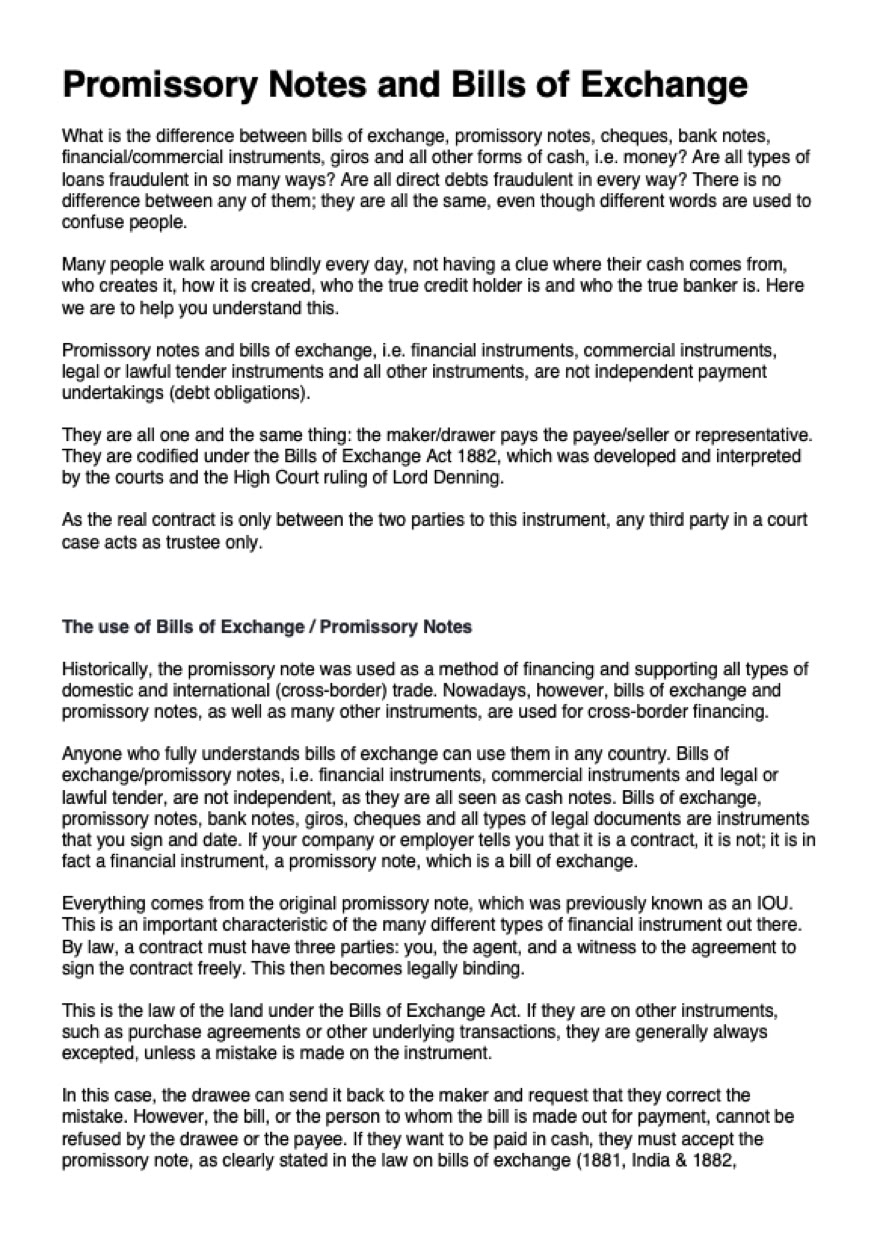
PROMISSORY NOTES & BILLS OF EXCHANGE
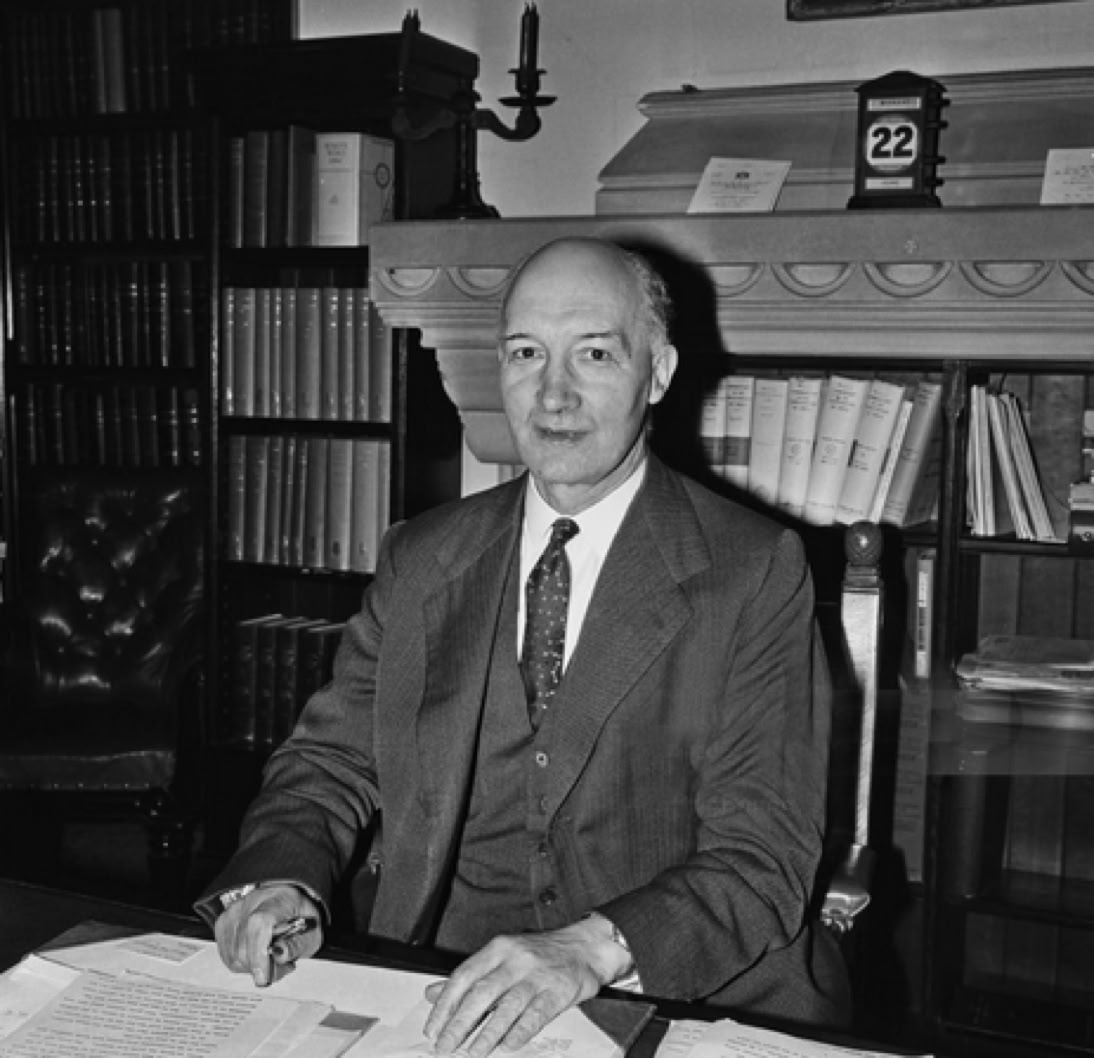
& LORD DENNING
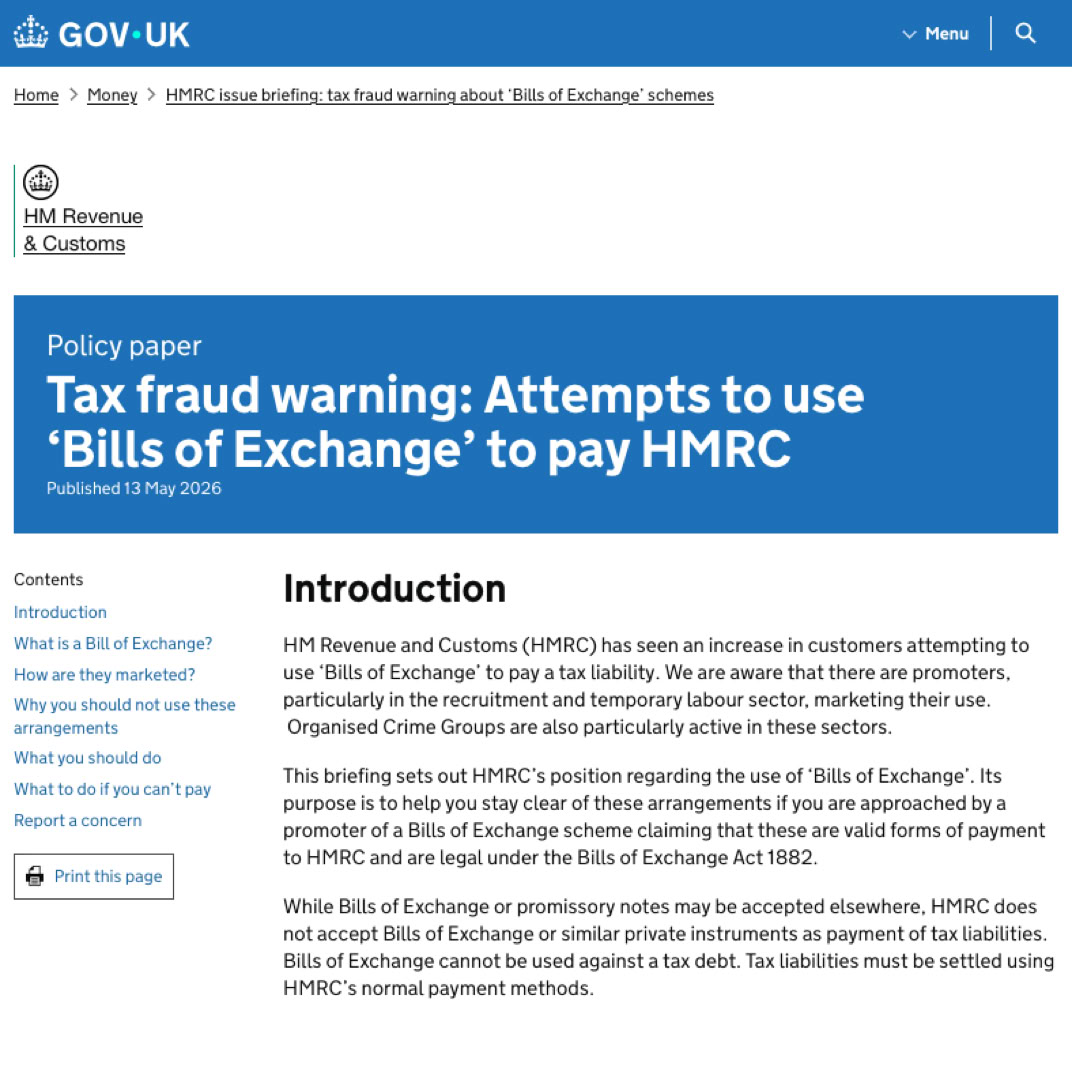
BILL’s of EXCHANGE
So what are Bill’s of Exchange?
Brief Explanation.
A Bill of Exchange is a lawful financial instrument, recognised under the Bills of Exchange Act 1909 (Australia). It doesn't "buy" the house directly — what it does is discharge a debt obligation.
A mortgage is a debt relationship: the bank has extended credit, and the borrower owes it back. That debt is the entry point for a Bill of Exchange, not the settlement or purchase transaction itself. Once a bill is properly drawn, presented and accepted, Section 48 of the Act provides that the underlying debt is discharged.
The key things that make it valid:
Expect the bank to push back initially and query or reject the instrument — that's normal and doesn't mean the process is wrong, it just means the next step (proper presentment and, if needed, dishonour procedure) has to be followed correctly.
____________________________________
Bills of exchange are an amazing thing, and a seemingly impossible thing all at the same time.
On one hand we ‘ALL’ have the amazing facility to purchase a house or a new car using a simple straight-forward Bill of Exchange comprising of the Bill itself including the supporting documentation, the contract written up between the two parties, (you the buyer and the seller), and that’s it.
It can be a little more convoluted if there are three parties such as. The bank but still a straight forward process.
However, it is very hard going trying to find a car dealership or a house seller, private or commercial, to go through with this form of transaction.
They aren't going to let us get away with not paying if they can help it, as they'd lose out on a lot of money, so don't expect them to be nice when you start to challenge this process. They have in fact already been paid, yet they are still asking you to pay the bill a second time. They are effectively double-dipping into your finances. If you can prove that you are an adult who can handle their own affairs, they will have no choice but to comply with your request.
Firstly, I think it's important to know who you are. You are the creditor and Beneficial Equitable Title Trust Holder. In other words, the funds in the trust that they set up when they created your birth certificate are for your benefit, not theirs. You decide how it's used. If you instruct them to pay your bills from these funds, they are acting as your trustee and must listen to you as the executor/beneficiary of the trust.
Take some time to learn about the Bill of Exchange and how it works. The relevant sections are in the 'Burden of Proof' document in the LIPs BOE files. Look it up. It's a brilliant document to read. Highlight the important parts to help you understand how the bill of exchange works according to the Bill of Exchange Act 1909.
When they send you a bill, it's an offer to pay. If you sign it and send it back, you've essentially sent them a 'bill of exchange', which is no different to a reserve note. They tender it and use it as cash. It's as if you're handing them a 'fiat' currency note. Yes, they can use your BOE as cash. This discharges your debt.
They cannot unreasonably reject payment sent to them via a BOE. The bill with the notes instructing it to be used as money and bearing your signature is called a BOE. A bill of exchange is legal tender.
So, if they've kept the payment, they can't disconnect your power.
Understanding why you are doing this comes first. Then, once you have grasped the concept, you can start putting it into practice and dealing with any objections. Once you have done it a few times, you will understand how it works and be able to do more.
It doesn't matter who you spoke to at Synergy. As long as your BOE was sent to the CEO with a cover letter, the CEO is responsible for anything that happens after that. For example, if they disconnect your power without proper due process, then you have to charge them for it, you can go ahead and charge the man at the top.
If you hold the CEO accountable, they will ensure their staff do the right thing. They all report to him. So, if they do something wrong, they know it's the CEO's head on the chopping block.